Europe’s New Electronic Entry and Exit System
What Travelers Need To Know
Planning a European escape is about to feel a little different at the border. The EU’s new Entry/Exit System (EES) is changing how many travelers enter and leave most European countries — replacing passport stamps with a fully digital, biometric system.
As a luxury travel advisor, I’m here to make sure this new process feels seamless, not stressful. Here’s what you need to know about how EES works, who it applies to, what countries are included, when it matters most, and tips to breeze through it.
What Is the EES?
The Entry/Exit System (EES) is a new automated EU border-control system for non‑EU citizens traveling short‑term to most of Europe.
Instead of border officers manually stamping your passport, EES will:
• Scan your passport
• Capture biometrics (facial image and/or fingerprints, depending on the country’s setup)
• Digitally record your entry and exit
• Automatically track your allowed stay (for most travelers, that’s up to 90 days in any 180‑day period in the Schengen Area)
The goal: faster, more secure, and fully digital borders — and no more worrying about faded, missing, or inconsistent passport stamps.
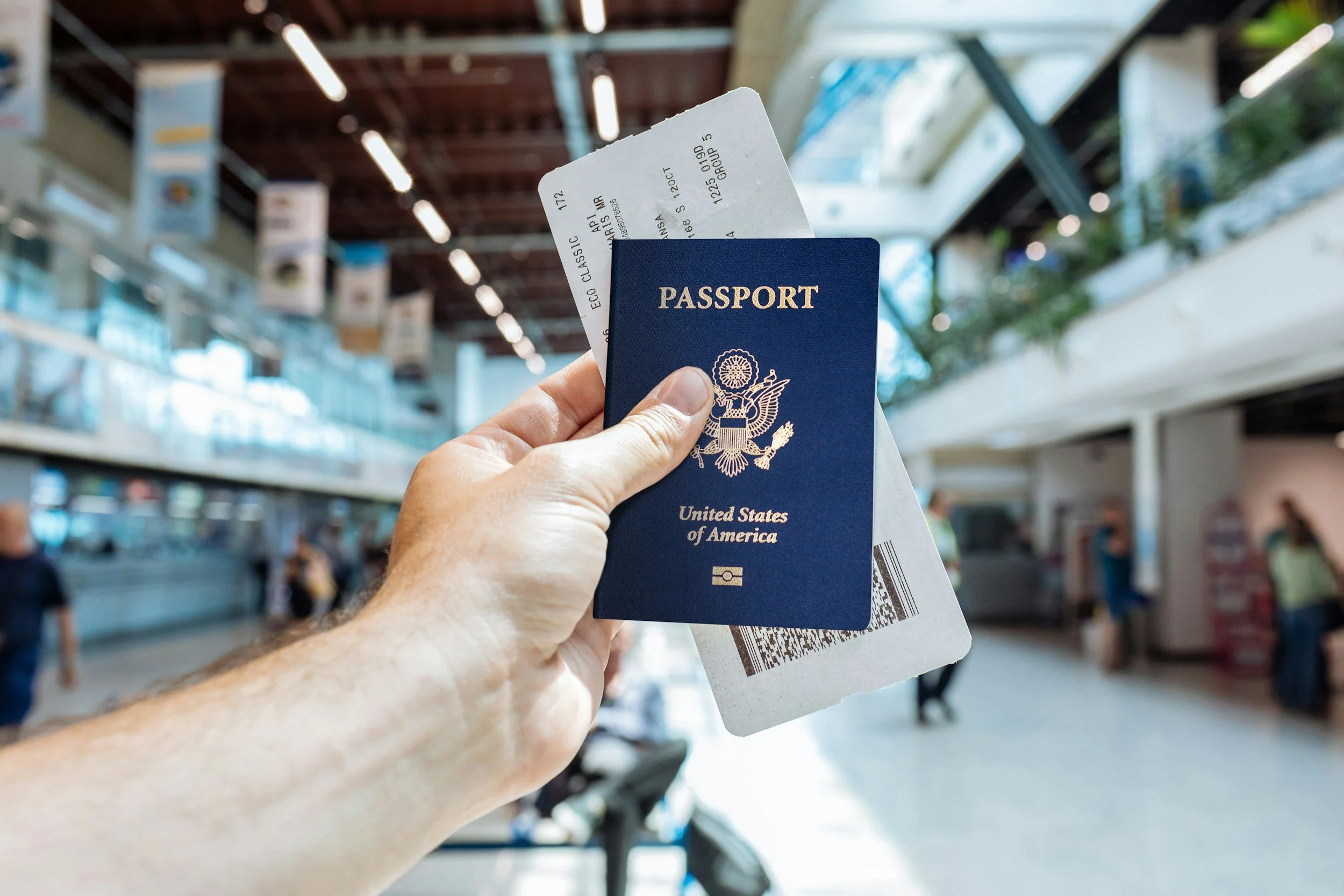
Who Does EES Apply To?
EES does not apply to everyone. It is specifically designed for:
1. Non‑EU / non‑Schengen nationals entering the Schengen Area for a short stay, including:
• US, UK, Canadian, Australian, and many other passport holders who currently travel visa‑free to Europe
• Travelers who hold a short‑stay Schengen visa
2. Travel purposes covered by EES typically include:
• Tourism
• Business trips
• Family visits
• Short conferences or events
EES does not apply to:
• EU citizens
• Schengen Area citizens (e.g., France, Italy, Spain, Germany, etc.)
• Long‑stay visa holders and residents (for work, study, or residency permits — they are handled via different systems)
If you’re a US, UK, or other non‑EU traveler visiting Europe as a tourist or on a short business trip, EES will almost certainly apply to you.
Which Countries Are Affected?
EES applies to most countries in the Schengen Area plus associated states that participate in Schengen‑style border rules.
In practice, that includes popular destinations such as:
• France, Italy, Spain, Greece, Portugal
• Germany, Austria, Switzerland
• Netherlands, Belgium, Luxembourg
• Denmark, Sweden, Norway, Finland, Iceland
• Czech Republic, Hungary, Poland, Slovakia, Slovenia
• Croatia and several others
When you enter or exit this zone — by air, land, or sea — your movement will be recorded in EES.
A few important notes:
• The UK and Ireland are not part of the Schengen Area, so EES does not apply when entering/exiting those countries specifically. However, if your trip combines the UK/Ireland with Schengen countries, EES will still apply at the Schengen border crossing.
• Some microstates (like Monaco, San Marino, Vatican City) are effectively integrated into the Schengen border regime via the countries surrounding them.
When in doubt, I can review your exact itinerary and confirm where EES will come into play.
How the EES Process Works (Step by Step)
Your first trip to Europe after EES is active will take slightly longer, because your profile needs to be enrolled. Here’s what to expect:
1. Arrival at the border (airport, land, or sea)
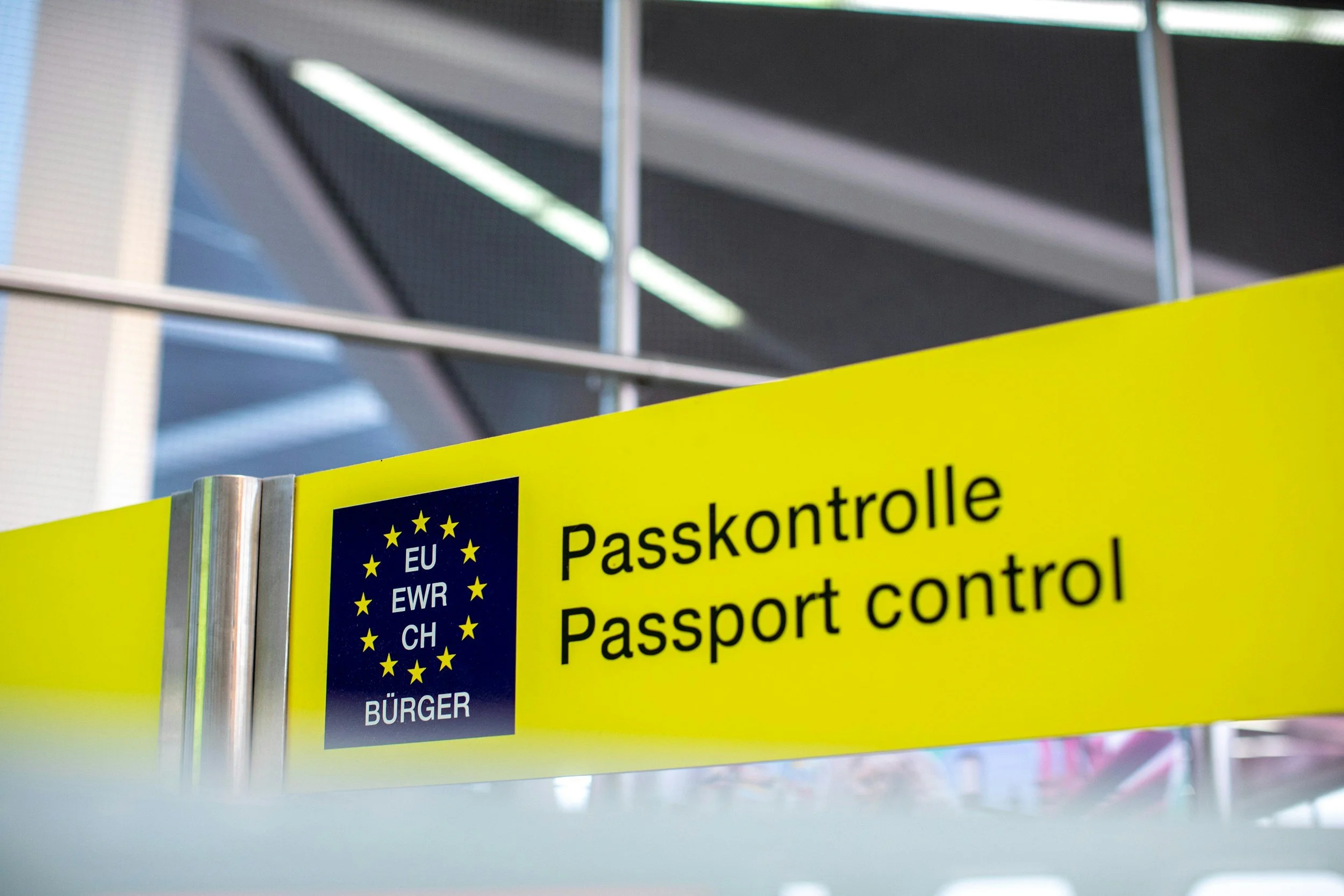
• Follow signs for Non‑EU / Non‑EEA / Non‑Schengen passports.
• In many airports, you’ll see self‑service kiosks or e‑gates dedicated to EES.
2. Registration / Enrolment (usually only the first time)
At a kiosk or e‑gate, you’ll typically:
• Scan your passport
• Have a facial image captured (and sometimes fingerprints, depending on local systems)
• Confirm a few basic details (travel purpose, length of stay, etc.)
This initial registration usually takes less than a couple of minutes, but queues can vary, especially during peak season.
3. Border check by an officer
• After registration, you may see a border officer who verifies the information captured and completes the entry process.
• Your entry is then digitally recorded in EES — no paper stamp.
4. Subsequent trips
On your next trips to Europe after you’ve been enrolled:
• Your biometric data and past entries are already in the system.
• Border checks can be faster and more streamlined, often using just a quick face scan plus passport scan.
When you depart the Schengen Area, your exit is also recorded, which helps automatically calculate how many days you’ve spent in the zone.
Travel Scenarios Where EES Really Matters
For most well‑planned trips, EES will simply be a new, more modern version of passport control. But there are some common scenarios where it’s particularly important.
1. Frequent Europe visitors
If you:
• Take multiple trips per year to Europe, or
• Spend extended periods hopping between different Schengen countries
EES will precisely track your 90 days in any 180‑day period rule. This makes it harder to unintentionally overstay — but also harder to get away with cutting it close.
How I help: I can map your travel days across countries to ensure your itinerary respects these limits and avoids red flags.
2. Multi‑country European itineraries
Think: Paris–Rome–Athens–Zurich in one trip.
Even though you’re crossing internal Schengen borders, EES will see your entry at the first Schengen country and your final exit from the zone. Short hops within the Schengen Area won’t involve passport control, but they do count toward your overall days in Europe.
Key point: It’s not about how many countries you visit; it’s about total days spent inside the Schengen zone.
3. Combining Schengen with non‑Schengen Europe
Example itineraries:
• London → Paris → Rome → back to London
• Dublin → Barcelona → Amsterdam → Dublin
Here, you’ll encounter EES when you cross into and out of Schengen from the UK or Ireland.
How I help: I design flight routes and timing so that EES processing fits smoothly into your travel day and doesn’t disrupt tight connections.
4. Travelers who’ve had past overstay issues or unclear stamps
Because EES is digital and automated, it removes the ambiguity that sometimes came with missing or unreadable passport stamps.
If you’ve ever:
• Worried that an officer might misinterpret your past travel history
• Needed to prove how long you actually stayed
EES will make your record clear — for better or worse. It’s more important than ever that your dates are planned carefully.
Tips To Navigate EES Smoothly
Here are practical ways to make sure EES doesn’t slow down your trip:
1. Allow extra time at your first Schengen arrival
• For your first trip after EES is active, allow extra buffer time for immigration, especially during peak seasons and major events.
• I recommend avoiding extremely tight connections on that first European entry if possible.
2. Know where your official entry point is
• The country where you first land in the Schengen Area is where EES enrolment typically happens.
• Example: If you fly New York → London → Paris, EES applies when you land in Paris, not London.
I always plan your route with this in mind so we can anticipate potential queues at that specific airport.
3. Have your documents ready and consistent
Before reaching the kiosk or border officer, be sure you have:
• A valid passport with enough remaining validity
• Your return ticket or onward travel details handy
• Evidence of hotel bookings, cruise reservations, or tour confirmations (especially if you’re asked about where you’re staying)
• Any relevant travel insurance details
While EES is automated, a border officer can still ask standard questions about your stay.
4. Understand EES vs. ETIAS
Two terms you’ll hear together:
• EES: The border system that logs your entry/exit and biometrics at the border.
• ETIAS: A separate electronic travel authorization (similar to the US ESTA) that many visa‑exempt travelers will need to apply for before traveling to the Schengen Area once it is fully in force.
They work together, but they are not the same. EES happens at the border; ETIAS happens before you fly.
I’ll always let you know when ETIAS is required for your specific trip and handle the timing and reminders around that.
5. Travel in comfort, not chaos
For my clients, I focus on:
• Choosing airports and flight times less prone to long border queues
• Booking fast‑track services or VIP meet‑and‑assist where available
• Planning your arrival day so you’re not rushing to a tour or connection immediately after EES processing
The result: you feel guided, not left to figure out a new system on your own.

How I Support You Through the EES Transition
Regulation and technology can change quickly, but that’s exactly where a trusted advisor makes all the difference.
When we design your European trip, I will:
1. Confirm where and when EES will apply on your specific route
2. Map out your days in the Schengen Area so you stay safely within allowed limits
3. Advise on ideal entry airports, connections, and cabin classes to minimize stress on arrival
4. Coordinate VIP services, lounge access, and transfers so you move smoothly through the airport
5. Keep you updated on any new rules, timelines, or requirements that could affect your itinerary
Final Thoughts
EES is a significant change in how Europe manages its borders, but for well‑prepared travelers, it doesn’t need to be intimidating. With the right planning, it’s simply a more modern, digital version of passport control.
If you’re considering a trip to Europe in the coming months or year and want to make sure your experience is as seamless and elevated as possible, I’d be delighted to help you plan.
Ready to start designing your next European journey?
Get in touch and we’ll craft an itinerary that not only navigates EES effortlessly, but turns every step of your trip — from airport arrival to final farewell — into a truly luxurious experience.